
Charles Dickens’s A Christmas Carol is one of the best stories for talking about economics.
December often finds me rereading the book and researching some new aspect of the story. The characters illustrate different financial personalities and the themes illustrate both financial principles as well as life planning philosophies.
Here are some new perspectives on a very old story for you to enjoy!
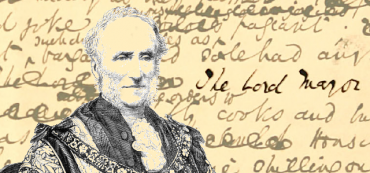
The Lord Mayor Would Have Spoiled “A Christmas Carol”
Studies suggest that both a gambling addiction and success in politics correlate with psychopathic behavior. Had Dickens included a gambler personality in a Christmas Carol, it would have been a different story.
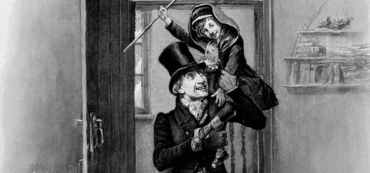
What was Wrong with Tiny Tim?
Other than Ebenezer Scrooge in Dickens’s story “A Christmas Carol,” Tiny Tim is certainly the most memorable character. Dickens used the boy in the story to soften the hearts of both Scrooge and his readers toward the worthy poor.
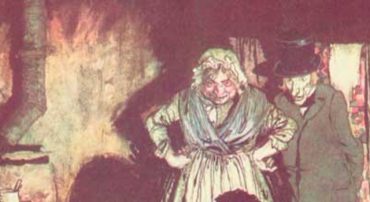
The Poorhouses of “A Christmas Carol”
“It is not enough to seize power or to change wherein society power lies. With power must come an inner sense of connection to others.”
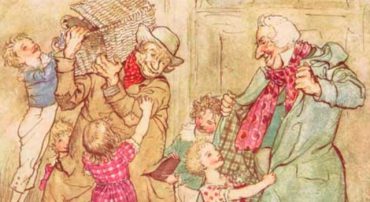
The Two Portly Gentlemen Are Entrepreneurial Philanthropists
The two men see opportunities and the risk excites them. Even soliciting funds for the poor is an integral part of their entrepreneurial spirit.
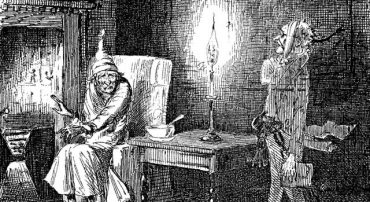
Marley’s Ghost Was Haunted by Regret
Misers may sleep well tonight, but they won’t eat well in 20 years.
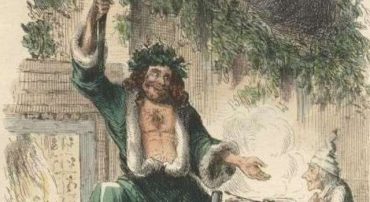
Keep Christmas Your Own Way
This year, give your family the gift of financial peace of mind. Celebrate the season simply.
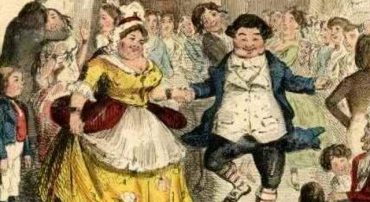
Scrooge’s Former Boss Fezziwig Is a Nester
Scrooge’s riches did not make him happy. Fezziwig’s celebration did not make him poor.

Scrooge’s Nephew Fred Is a Traveler
Ebenezer Scrooge’s nephew Fred is the character young people most easily relate to. He is young himself, carefree, in love and enjoying life with his friends.
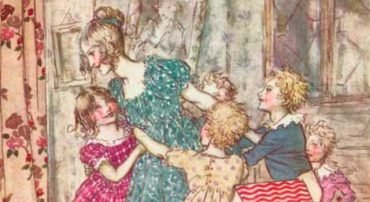
Belle Didn’t Really Love Scrooge
Belle measures Ebenezer’s love for her by what he spends on her directly. Investments count for nothing.

Why is Bob Cratchit So Poor?
At first glance, this story fills us with pity for the Cratchit family, always struggling to make ends meet. But is that the true story?
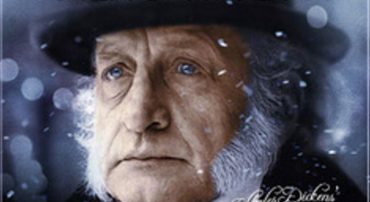
Holiday Joy Doesn’t Cost A Fortune
One of my favorite Christmas movies is the version of “A Christmas Carol” starring George C. Scott as Ebenezer Scrooge. I confess that I understand Scrooge’s character.

Latest posts from David John Marotta
- #TBT Frequency Matters More Than Height - April 11, 2024
- Implement a Savings Waterfall for 2024 - April 9, 2024
- How to Ensure You Have a Strong Password - April 2, 2024